

The Netflix Pakistan Paradox
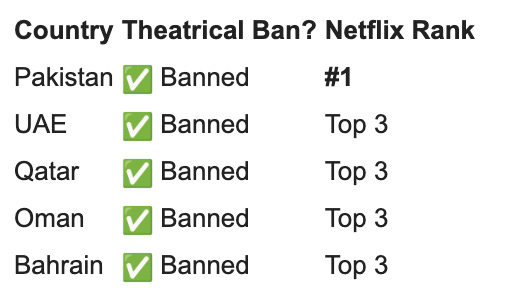
When Dhurandhar released on Netflix, something impossible happened: a film banned in Pakistan became #1 in Pakistan.
This is the Dhurandhar paradox.
Aditya Dhar's 3.5-hour espionage epic — Ranveer Singh infiltrating Karachi's underworld — dropped on Netflix January 30, 2026. Since then, it had been explicitly banned from Pakistani theaters and several Gulf nations.
The result? It topped 22 countries. Including the ones that banned it.
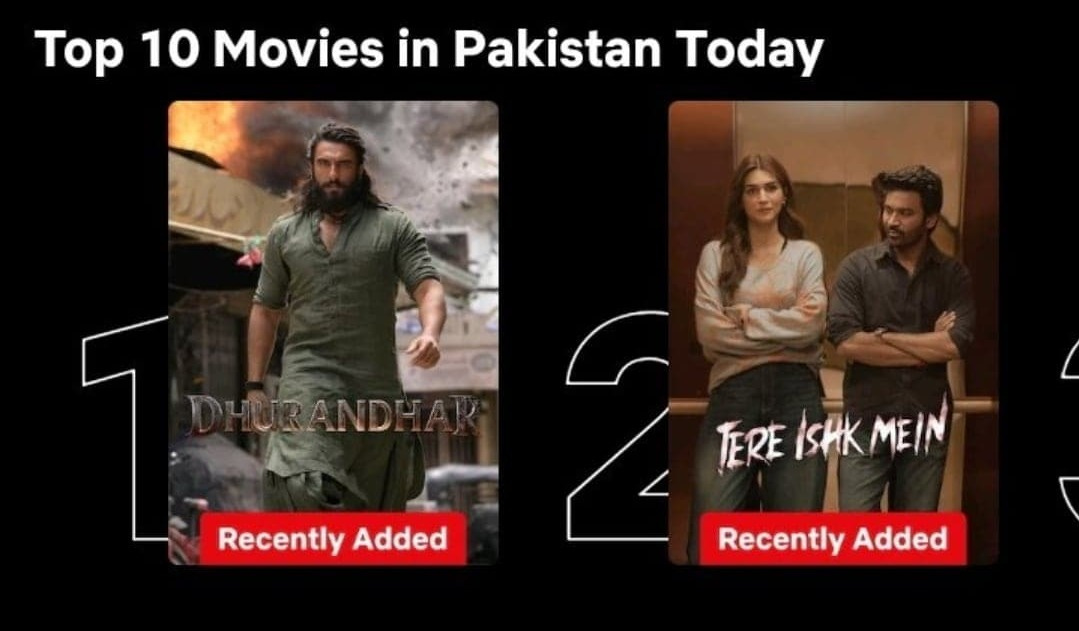
In Pakistan, screenshots circulated showing Dhurandhar ahead of Bollywood competitors like Tere Ishk Mein and Haq.
The sequel released yesterday. Dhurandhar: The Revenge — March 19, 2026.
But what makes it more than a geopolitical curiosity is this: the film's criminals are real. The characters are thinly veiled portraits of Karachi crime lords whose actual histories are darker, stranger, and more brutal than any screenplay.
Netflix had to sanitize what the truth wouldn't.
Meet three real crime lords behind Dhurandhar's fiction, their impact on India, and the security transformation that followed.
The Real Crime Lords Behind Dhurandhar
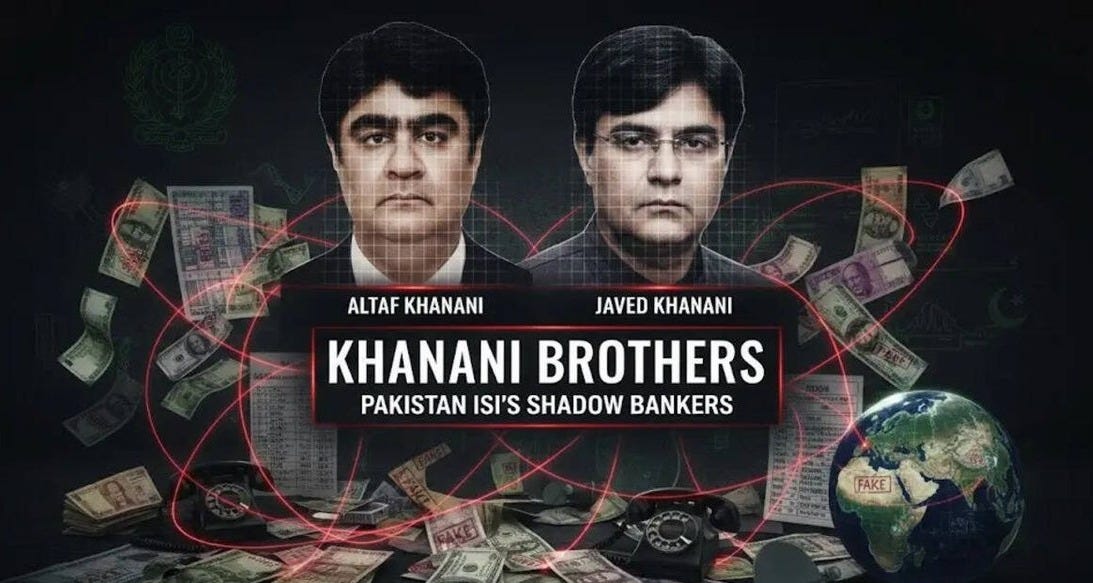
Who Financed the Mumbai Attacks? The Khanani Brothers’ Terror Network
The Fiction: Flamboyant financiers moving money for Pakistan's deep state.
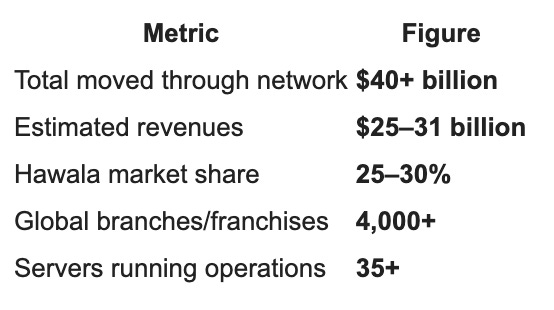
The Reality: A global hawala infrastructure that financed the Mumbai attacks.
The Scale:
Altaf and Javed Khanani established Khanani & Kalia International (KKI) in 1992. By the 2000s, they had built the world's most sophisticated informal banking network.
KKI ran custom software that automatically routed transfers into their shadow system whenever transactions approached legal limits. Think of it as automated money laundering with 1990s tech.
Their commission structure was tiered:
Nominal fee: For simple tax evasion
Up to 20%: For dirty money — extortion, narcotics, kickbacks
KKI's roster reads like a United Nations of illicit actors:
Mexican and Colombian drug cartels
Al-Qaeda
Hezbollah
Lashkar-e-Taiba
Jaish-e-Mohammed
Pakistani generals and government ministers
The Khanani network directly financed the terrorists behind:
The 1993 Mumbai bombings (257 killed, 1,400 injured)
The 2008 Mumbai attacks (166 killed)
They didn't just move money. They moved blood money — and routed it to killers who targeted India.
The Demise
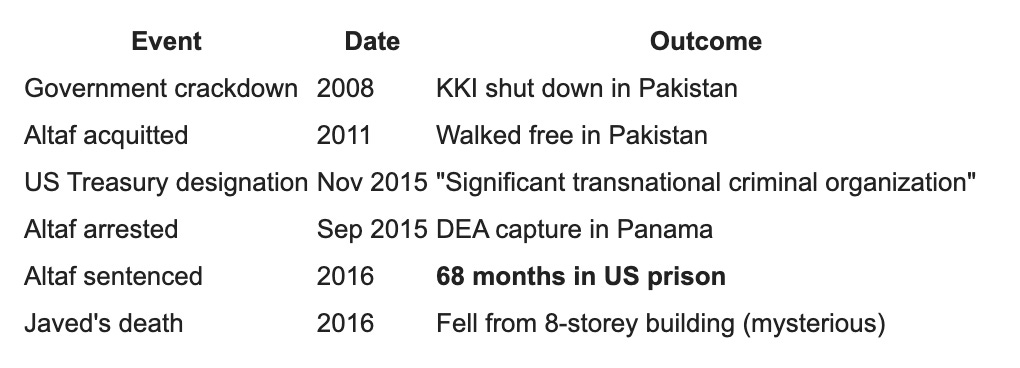
The film shows slick operators. Reality was that the Khanani brothers built a financial infrastructure for mass murder.
2. Rehman Dakait — The Gang Lord Who Killed His Mother
The Fiction: Ruthless Lyari crime boss (portrayed by Akshaye Khanna), territorial, brought down in an encounter.
The Reality: The undisputed king of Karachi's most notorious slum — whose brutality made him a political asset.
The Rise
Rehman Dakait started as a foot soldier for Haji Lalu, a Lyari godfather. In 1997, financial disputes triggered a split. Dakait formed his own faction. The result: A multi-year gang war that killed hundreds.
His rival was Arshad Pappu — Haji Lalu's son. The violence wasn't just business. It was generational vengeance.
But Dakait didn't just survive. He thrived because he closely allied himself with the Pakistan Peoples Party (PPP).
The PPP shielded Dakait's activities as he rose to power in Lyari. In Pakistan's patronage-based system, criminals become political instruments. Dakait delivered votes. The PPP delivered protection.
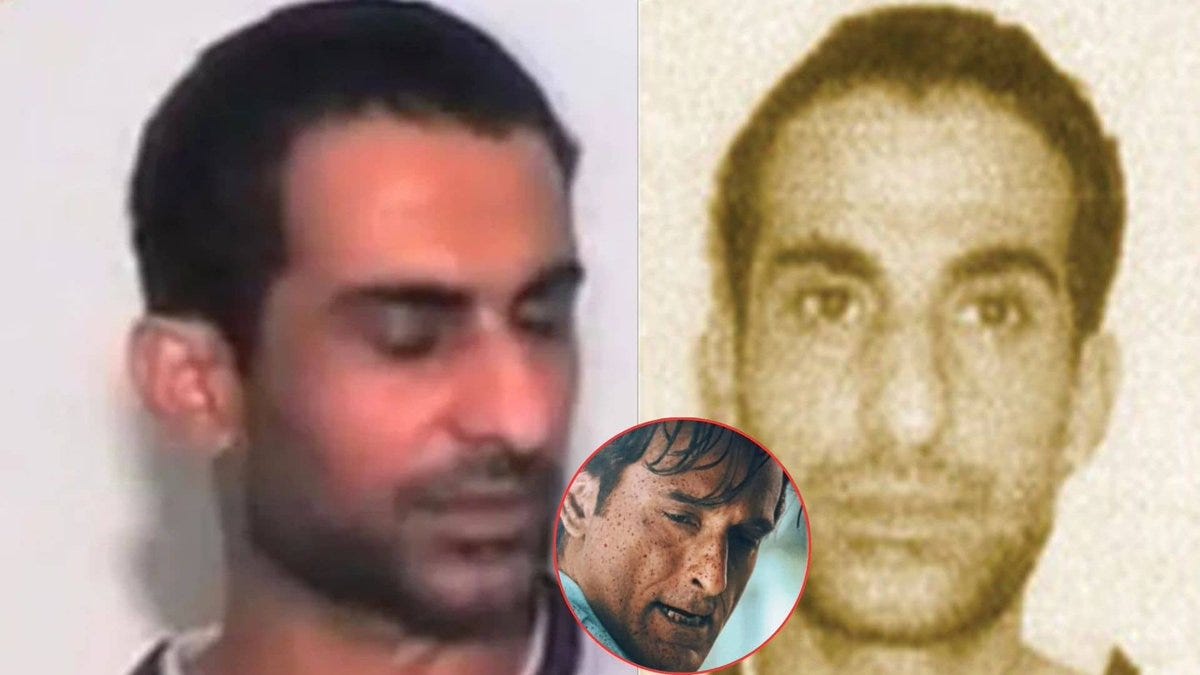
Dakait's brutality was legendary:
Ran extortion (bhatta), narcotics, and kidnapping empires
Hunted rival gang members after his uncle was murdered
His parents' graves were bombed by rivals in Mewashah cemetery
Allegedly shot his own mother during a 2005 argument.
In Lyari, this didn't end his reign — it cemented it. Brutality wasn't a bug. It was the operating system.
The Death
On August 9, 2009, Rehman Dakait was killed in a police encounter led by SSP Chaudhry Aslam.
The encounter was controversial. In Pakistan, "encounters" often mean extrajudicial executions. But for Dakait's victims, it was justice delayed.
His death created a power vacuum. Into it stepped Uzair Baloch — arguably the most dangerous man in our list.
3. Uzair Baloch — The Politician-Gangster with a 198-Murder Confession
The Fiction: Political boss with criminal connections — the film's antagonist is likely based on Baloch's politician-gangster persona.
The Reality: After Rehman Dakait's death, Baloch took command of the Lyari gang. Then he did something unprecedented: He merged organized crime with electoral politics.
Baloch became a kingmaker who:
Dictated local election tickets
Controlled police transfer postings
Merged street violence with ballot box power
The 198-Murder Confession
In January 2020, before a judicial magistrate, Baloch confessed to 198 murders.
This wasn't bragging. It was detailed. Names. Dates. Methods.
His confession revealed:
Revenge killings — hunting down rival gang members by name
Political eliminations — rivals who wouldn't bow to his kingmaking
Torture and execution — the full horror of his reign
ISI’s Protection
Baloch's confession implicated Pakistan's Inter-Services Intelligence (ISI).
Senior ISI officials allegedly protected him. Senior police officials were complicit. The charges: terrorism, murder, extortion, kidnapping, land-grabbing.
The espionage? Spying for Iran.
Iranian handler: Haji Hassan Rustom
Training in Iran: Weapons and espionage tradecraft
Information passed: Pakistani troop movements, locations of high-value targets, details of Pakistani consulates
Smuggled for Iran: Weapons, ammunition, and funds into Pakistan
He wasn't just a criminal. He was an Iranian intelligence asset operating at the heart of Pakistan's largest city.
The film shows a crime boss with political connections. Baloch was a crime boss who was the political system.
India’s Surgical Strikes: The Doval Doctrine in Action
Dhurandhar shows Indian operatives infiltrating Pakistan. The reality is almost as remarkable and true: India transformed its security posture after these attacks.
The Strategic Shift: The Doval Doctrine
Following the 2008 Mumbai attacks, India maintained "strategic restraint" — a policy that avoided escalating conflicts. Historically, even after the 2001 Parliament attack, India chose not to strike back directly.
That changed in late 2014.
Under National Security Advisor Ajit Doval, India adopted what became known as the "Doval Doctrine" — a shift from passive defense to "offensive defense." The core logic became this: strike at the origin of an offense without engaging in full-scale conventional war, with a stern warning from Ajit Doval himself:
"You do one Mumbai, you may lose Balochistan."
The Actions: Surgical Strikes
Myanmar — June 2015
Following an ambush that killed 18 Indian soldiers, Indian commandos crossed into Myanmar.
Result: 40-minute operation, 38 Naga insurgents eliminated.
Line of Control — September 28-29, 2016
Following intelligence on terrorist launchpads preparing infiltration raids, India launched coordinated strikes across the LoC in Pakistan-occupied Kashmir.
Targets: Bhimber, Hot Spring, Kel, and Lipa sectors
Result: Significant militant casualties, preemptive destruction of attack infrastructure
The shift to Doval Doctrine has yielded measurable results.
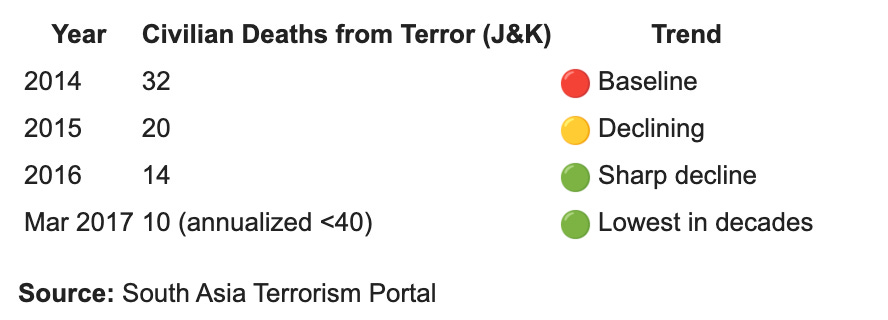
The number of terrorists eliminated remained high — but civilian casualties dropped dramatically. India isn't just playing defense anymore. The criminals who once operated with impunity now face cross-border consequences.
The Paradox Explained
Why would a banned film about their country's criminals become Pakistan's #1 hit?
Because Pakistanis recognize these stories. They've lived with them. They've paid extortion to Lyari gangs. They've known friends of friends who disappeared into KKI's money-laundering networks. They've watched politicians rise on criminal foundations.
The ban was political theater. The viewing was cultural recognition of a shared wound.
But these weren't just Pakistan's criminals. They were India's attackers.
The Khanani Brothers financed the Mumbai attacks. Baloch's networks smuggled weapons and intelligence. The Lyari gangs ran narcotics and weapons routes that crossed borders.
Dhurandhar shows Indian agents infiltrating and fighting back — fictionally. The real story is more remarkable: India's security apparatus transformed from reactive to proactive. As the film puts it:
Yeh naya India hai, yeh ghar mein ghusega bhi aur maarega bhi.